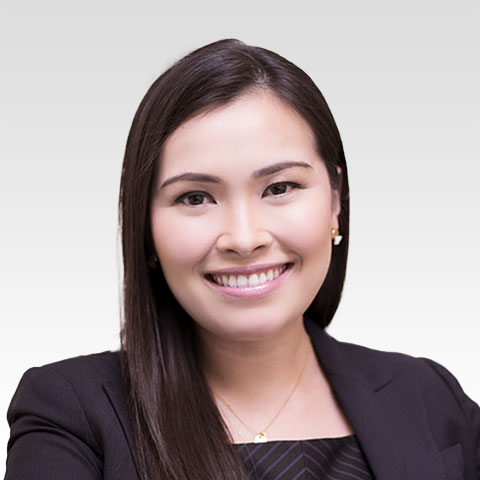
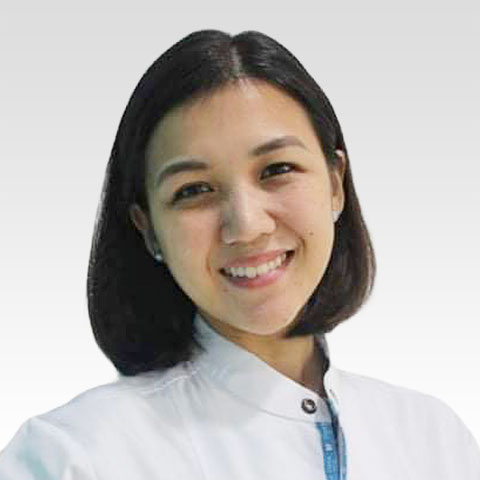
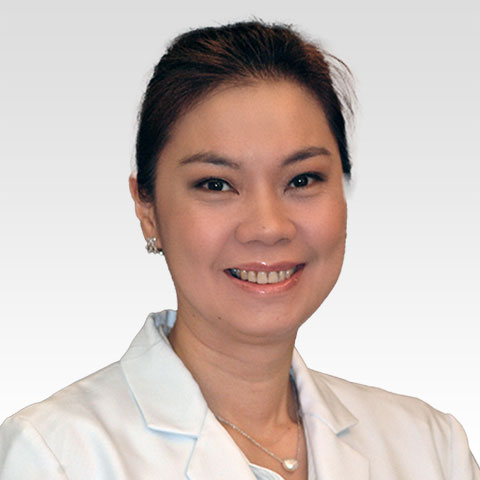
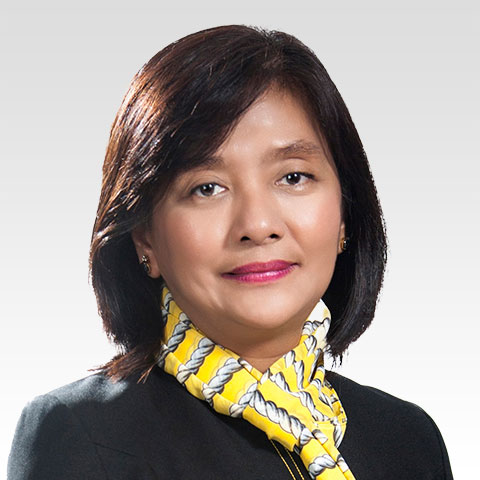
Dr. Regina "Ninay" Isabel Santos-Morales is a highly respected expert in Periodontics and Implant Dentistry, with subspecialties in periodontal plastic surgery and regenerative techniques. She earned her Doctor of Dental Medicine degree from the University of the Philippines College of Dentistry, graduating in the top three of her class and placing second in the national dental board exams.
She continued her training at the University of Pennsylvania School of Dental Medicine, where she received her Certificate in Periodontics and later completed the prestigious Nobel Biocare Implant Fellowship. She was the first foreign-trained dentist accepted into this elite program, which admits only one fellow per year. During her time at the University of Pennsylvania, she also served as a teaching fellow and clinical instructor, working alongside renowned clinicians such as Dr. Jay Seibert, Dr. Henry Salama, Dr. Arnold Weisgold, and Dr. Morton Amsterdam.
Dr. Morales has received multiple awards for academic and clinical excellence, including the Director's Award, Chace Schoiarship Award, and Coslet Scholarship Award. Today, she is a Consultant Periodontist at St. Luke's Medical Center BGC and the Makati Medical Center, and is the founder of the Asian Periodontics and Implant Dentistry Center.
A sought-after speaker both locally and internationally, Dr. Ninay shares her expertise in advanced periodontal and implant techniques with audiences across Asia and beyond. She is a core group member of the Philippine Society of Periodontology, an International Member of the American Academy of Periodontology, a Fellow of the International College of Dentists, and an active member of the Asia-Pacific Society of Periodontology.