Evolving Endodontics

Mastering Diverse Strategies for Optimal Outcomes
July 12-13, 2025
ISLA Ballroom, Edsa Shangri-La, Manila, Ortigas Center, Mandaluyong City, Philippines

Mabuhay!

I'm beyond excited to invite everyone to our 43rd ESP Annual Scientific Convention and ASEAN Endodontic Forum 2025!

This year, the Endodontic Society of the Philippines (ESP) with its theme "Evolving Endodontics: Mastering Diverse Strategies for Optimal Outcomes" is pulling out all the stops to bring you an event specifically crafted to ignite groundbreaking ideas, foster incredible collaborations, and genuinely advance the field of Endodontics.

Imagine an enriching experience filled with new and advanced lectures from the eight brightest minds who are defining the future of Endodontics. Let's dive deep into specialized topics and, crucially, have fantastic opportunities to connect with colleagues, build new professional relationships, and significantly expand our network.

We pride ourselves on creating a truly welcoming atmosphere, whether you're a veteran in the field, just starting your journey, or simply passionate about where Endodontics is headed. We're all about celebrating curiosity, encouraging questions, and embracing fresh perspectives.

This isn't just another convention, it's a powerful forum designed to propel progress and tackle the most significant challenges in Endodontics. The unique insights and participation of everyone are invaluable, adding to the collective brilliance and collaborative energy that makes our ESP community so special.

We're looking forward to welcoming all of you and embarking on this exciting journey of discovery together! Get ready for an unforgettable gathering on July 12 and 13 at the Edsa Shangri-La Hotel!

DR. GRACE ELLEN S. DEY,
ESP President and General Chairman

CONVENTION FEES

  EARLY BIRD
(until June 23)
PRE-REGISTRATION
(June 24 to July 8)
REGULAR REGISTRATION
(July 9 onwards)
ESP MEMBER ₱15,000 ₱17,000 ₱20,000
NON-MEMBER
(Dentists and Non-Member Faculty of Dentistry)
₱17,500 ₱19,500 ₱23,000
FOREIGN DELEGATE US$400 US$450 US$550
DENTAL STUDENT ₱8,000 ₱10,000 ₱12,000

REGISTRATION TERMS & CONDITIONS

  • Only non-member attendees of the Annual Convention are eligible for a priority slot to the ESP Conventional and Contemporary Intensive Program in Endodontics 2025/2026 (CCIPE), as long as slots are still available. This enlistment is non-transferable.
  • ESP Members' rates apply to ESP Members in good standing (updated Membership Dues). Please message the ESP Secretariat to know your status if unsure. Rates inclusive of ₱1,000 Membership Dues 2025-2026.
  • Dental Students should upload photo of their valid student ID or any proof of enrollment for the current term.
  • INDUCTEES for ESP Affiliate Membership fall under NON-MEMBER category upon registration.
  • PayPal payment is only available to Foreign Delegates.

ACCOMMODATION

Would you like to avail of a room at the Edsa Shangri-La Hotel during the convention dates? If yes, please send the following details via email (endodonticsocietyphilippines@gmail.com):
Tower Wing Deluxe Room: ₱7,500 net per night for 2 pax (2 double bed / 1 King bed)

  • Name of Companion:
  • Check-in Date:
  • Check-out Date:
  • Senior Citizen /PWD? If yes, attach ID

(Extra bed for triple sharing - additional ₱2,210.70 with buffet breakfast)

Details:

  • Non-smoking Tower Wing Deluxe Room
  • Buffet breakfast for two at The Heat
  • Use of amenities
  • Check-in time: 2:00 pm
  • Check-out time: 12:00 nn
  • Pay directly to hotel upon check-in

Speakers & Lectures

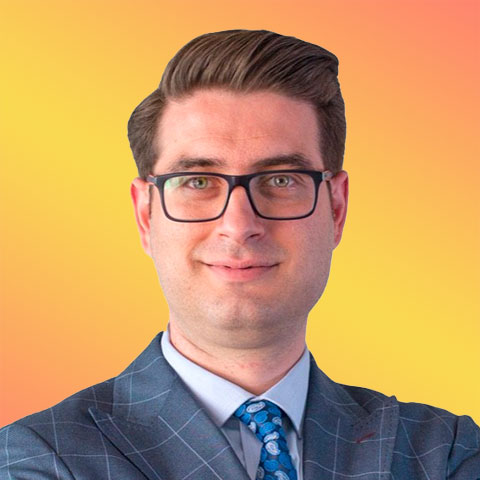
 Professor Taha Özyürek, DDS, PhD

Professor Taha Özyürek, DDS, PhD

Prof. Taha Özyürek graduated from Atatürk University, Faculty of Dentistry, earning his DDS degree in 2010. He pursued a Ph.D. in Endodontics at the Institute of Health Sciences, Ondokuz Mayıs University, completing the program in 2015. During his studies, he worked as a full-time research assistant in the same department until 2018.

From April 2018 to September 2021, Dr. Özyürek served as an associate professor and chair of the Department of Endodontics at the Faculty of Dentistry, İstanbul Medeniyet University. Currently, he is a professor and Head of the Department of Endodontics at Bahçeşehir University School of Dental Medicine. In addition, he is the director of the continuous education program and research laboratory at Bahçeşehir University.

Dr. Özyürek has made significant contributions to endodontic research, authoring and co-authoring over 100 articles, especially on the mechanical properties of nickel-titanium files. These articles have been published in national and international peer-reviewed and indexed journals, highlighting his academic achievements. His dedication to advancing the field is also evident in his role as a reviewer for numerous indexed international journals.

Beyond academia, Prof. Özyürek has shared his expertise through lectures, workshops, and hands-on courses on endodontic topics worldwide. He is an active member of the Turkish Dental Association (TDB), the Turkish Endodontic Society (TED), and the European Society of Endodontics (ESE).

From Morphology to Missed Canals: Understanding the Root Canal System

The complexity of the root canal system presents one of the greatest challenges in endodontics. Each tooth may exhibit a spectrum of anatomical configurations, and failure to recognize these variations can lead to undetected canals and unsuccessful treatments. This lecture explores the clinical implications of root canal morphology, with a particular emphasis on how a comprehensive anatomical understanding can inform access cavity design and canal location. Through clinical examples and evidence-based guidelines, attendees will learn to anticipate, identify, and manage atypical canal systems. Emphasis will be placed on integrating anatomical knowledge with contemporary diagnostic and operative tools to enhance success rates in challenging cases.

Key Learning Points

  • Gain a comprehensive understanding of root canal system morphology across different tooth types.
  • Appreciate the correlation between anatomical variation and canal detection failure.
  • Learn strategies for preoperative assessment and planning using radiographic and CBCT data.
  • Explore step-by-step techniques to locate and treat missed canals.
  • Apply anatomical insights to design efficient and safe access cavities.
Josephine Tay, BDS, MDS, RCS, FAMS

Josephine Tay, BDS, MDS, RCS, FAMS

  • Member, Royal College of Surgeons Edinburgh
  • Fellow, Academy of Medicine in Endodontics, Singapore
  • Board-certified Specialist in Endodontics, Singapore Dental Council
  • Visiting Consultant, National University Centre of Oral Health, Singapore

Magnification in Endodontics. Why it matters.

Root canal treatment has a success rate of 80-90%, and we should be confident in telling our patients that and achieving it. Proper chemo-mechanical debridement of the complex root canal system is more predictable with magnification. With a dental operating microscope, we set the stage for our practice to deliver the best dental care for our deserving patients. This lecture will include various challenging cases, both diagnostically and procedurally, what we can learn from them, and how magnification with a dental operating microscope makes endodontics more enjoyable and fulfilling.

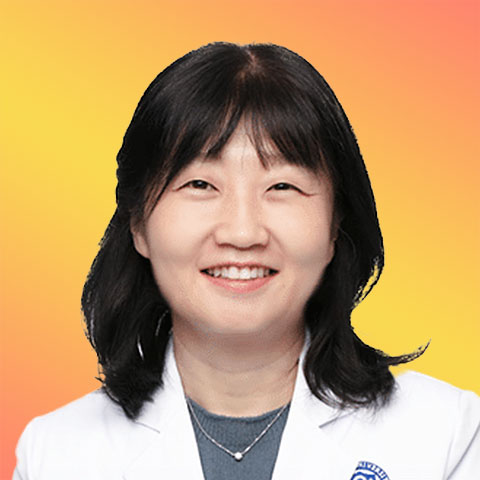
Su-Jung Shin, DDS, MS, PhD

Su-Jung Shin, DDS, MS, PhD

  • Chair, Department of Conservative Dentistry Gangnam Severance Dental Hospital, College of Dentistry, Yonsei University, Seoul, Korea
  • Professor, Department of Conservative Dentistry Gangnam Severance Dental Hospital, College of Dentistry, Yonsei University, Seoul, Korea
  • Director of General Affairs, Korean Association of Endodontics (KAE)

Endodontic Considerations Before and During Orthodontic Treatment Across Different Age Groups

As patients of various age groups undergo orthodontic treatment, the need for endodontic evaluation and intervention has become increasingly common. This lecture will explore key considerations for endodontic therapy before and during orthodontic treatment. We will review clinical cases in which endodontic procedures were performed before or in the midst of orthodontic treatment, highlighting practical decision-making processes and challenges. Special focus will be placed on how clinicians assess and manage teeth with questionable prognoses. Additionally, we will discuss predictable approaches to managing anterior teeth with apical lesions, with particular attention to apicoectomy as a reliable treatment option and intentional replantation as a last resort for tooth preservation. The lecture will also discuss important topics such as trauma assessment, pulp vitality evaluation, and caries detection and prevention—all from the perspective of an endodontist caring for patients undergoing orthodontic treatment. These insights aim to improve interdisciplinary collaboration between orthodontists and endodontists for optimal patient outcomes.
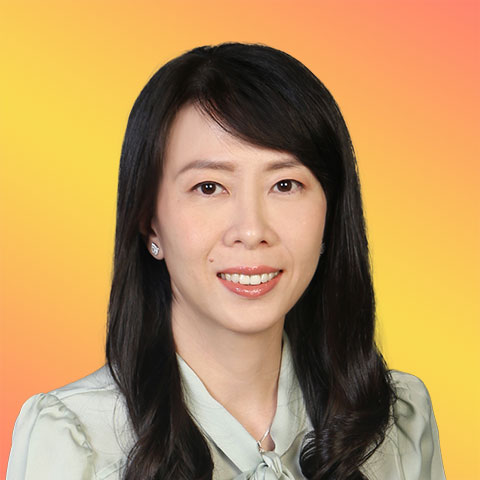
Wan-Chuen Liao, DDS, MS, PhD

Wan-Chuen Liao, DDS, MS, PhD

  • Part-time Lecturer, Department of Dentistry, National Taiwan University, Taiwan
  • Diplomate of Endodontology, Ministry of Health and Welfare, Taiwan
  • Visiting PhD researcher, University of Manchester, United Kingdom

Advancing Contemporary Endodontic Practice with Bioceramic Materials

This lecture explores the classification and applications of bioceramic materials in modern endodontic practice. Clinical cases will be shared to demonstrate their role in vital pulp therapy, regenerative endodontic procedures, hydraulic condensation, and the management of endodontic complications. Clinical considerations, including material handling, will also be discussed to help practitioners optimize outcomes when incorporating these advanced materials in daily practice.
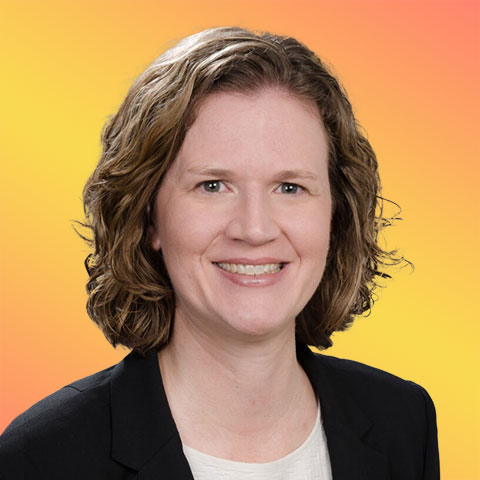
Natasha Flake, DDS, MS, PhD

Natasha Flake, DDS, MS, PhD

  • President, Association of American Endodontists 2024- 2025
  • Associate Dean for Clinical Affairs, University of Washington Director of Predoctoral Endodontics
  • Associate Director, Regional Initiatives in Dental Education Professor, Endodontics

Perspectives on Diverse Strategies for Optimal Outcomes

The theme of the 2025 ESP convention is Evolving Endodontics: Mastering Diverse Strategies for Optimal Outcomes. In alignment with this theme, this presentation will explore various strategies for achieving optimal outcomes from the perspective of an endodontic specialist who is a clinician, educator, researcher, administrator, and leader in organized dentistry. Topics will range from the individual patient level to institutional, national, and international initiatives. Specific examples include: the role of clinical guidelines in achieving optimal outcomes; endodontic education for the general dentist to promote optimal outcomes; and applying quality improvement principles to advance optimal patient care outcomes.
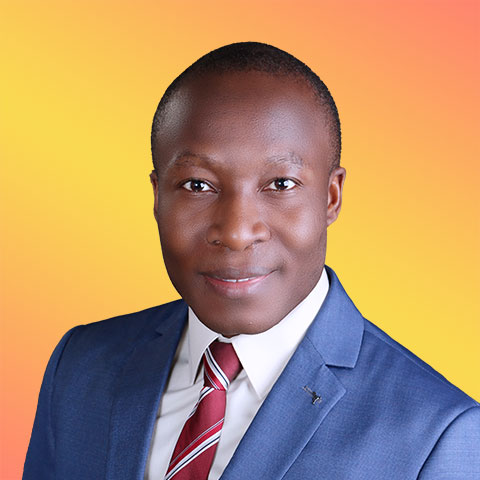
Benjamin Simiyu Nyongesa, BDS MScD, FADI

Benjamin Simiyu Nyongesa, BDS MScD, FADI

  • Honorary lecturer, University of Nairobi School of Dentistry, Kenya
  • Principal and Founder, Dental Aptitude College, Kenya
  • Fellow, Academy of Dentistry International (FADI)
  • Reviewer, Journal of Medical and Health Sciences Research
  • Reviewer, Indian Journal of Dental Research

Contemporary Endodontic Irrigation Techniques

Root canal infections are usually polymicrobial and involve significant bacterial interactions. The main goal of endodontic treatment is to remove infected material from the entire root canal system to facilitate the healing of a pre-existing periapical lesion or to prevent infection of the periradicular tissues. Endodontic irrigation is essential for infection control during root canal treatment, as it dissolves tissue, removes debris, and kills microorganisms within the root canal system. This presentation will provide an overview of the irrigation technologies currently available for cleaning both the instrumentable and uninstrumentable portions of root canal systems. Evidence-based research will be presented to compare and contrast new methods for removing the smear layer, improving debridement, and disrupting biofilm.
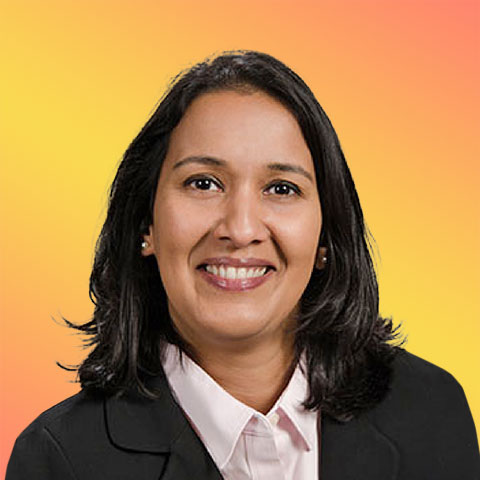
Avina Paranjpe, BDS, MS, MSD, PhD

Avina Paranjpe, BDS, MS, MSD, PhD

  • President, American Board of Endodontics (ABE), 2024-2025
  • Professor, Endodontics
  • Graduate Program Director: International Dental Program, University of Washington
  • Fellow, International College of Dentists

Vital Pulp Therapy: How has it changed?

Vital pulp therapy (VPT) plays a crucial role in managing mature permanent teeth with pulp exposure or inflammation, offering a less invasive alternative to root canal treatment. The decision on when and how to perform VPT depends on the degree of pulp involvement, the tooth's vitality, and clinical symptoms. Key VPT options include direct pulp capping, partial pulpotomy, and full pulpotomy, each with specific indications based on the extent of pulpal inflammation. Recent advancements in biomaterials, mineral trioxide aggregate and other bioceramic materials, have improved treatment outcomes by promoting pulp healing and reducing the risk of failure. Hence, these treatment modalities are emerging as promising treatments for maintaining tooth vitality. Proper case selection, strict asepsis, using biocompatible materials and good coronal seal are mandatory for success. This presentation reviews the current VPT options, emphasizing the importance of diagnosis, material selection, and individualized treatment planning to achieve optimal long-term outcomes in younger and adult patients.
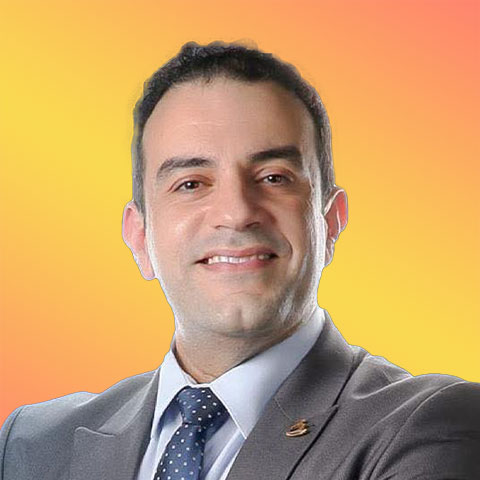
Mohamad El-Zaafarani, BDS

Mohamad El-Zaafarani, BDS

  • Micro endodontic specialist
  • Co-author of the book Retreatments
  • Head, Hala Dental Center Endodontic Department
  • Lecturer, International Endodontic Diploma Jaume University I Spain

Broken Files Management: Myths, Methods and Mastery

This lecture explores the challenges and solutions in retrieving and bypassing separated endodontic files, focusing on precision, innovation, and clinical decision-making for managing visible and non-visible separated instruments

Key topics include:

  • Understanding File Fracture: Causes, risk factors, and biomechanical considerations behind instrument separation.
  • Prevention Strategies: Techniques to minimize breakage through proper instrumentation and case selection.
  • Retrieval vs. Bypassing: When to intervene, when to leave the fragment, and how to assess case feasibility.
  • Modern Retrieval and bypass Techniques
  • Ultrasonic activation and its role in conservative removal.
  • Micro-tube and loop devices for deep or complex cases.
  • Use of magnification and high-resolution imaging for enhanced precision.
  • Clinical Decision-Making: when to consider surgical intervention, Balancing success rates, tooth preservation, and long-term prognosis.